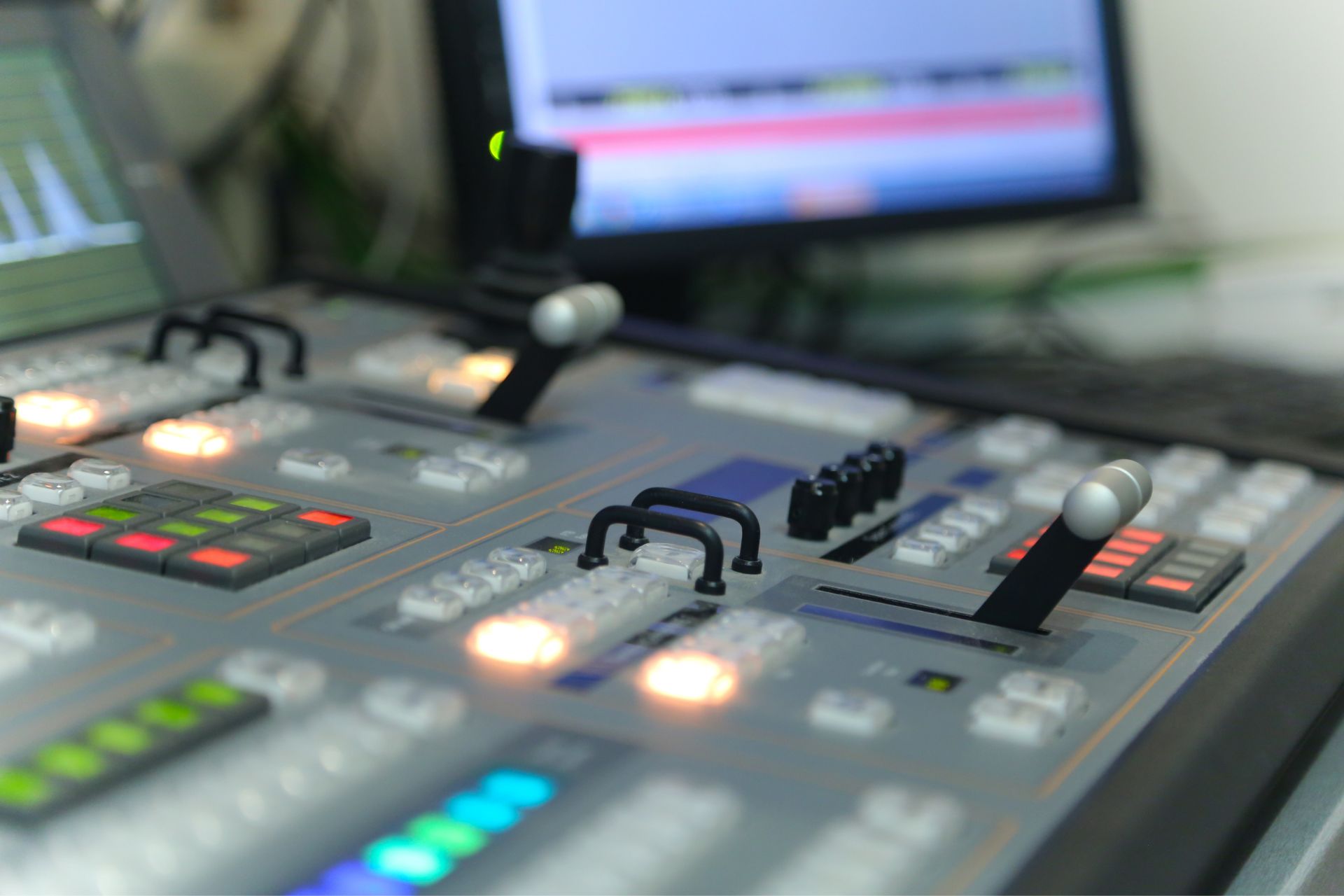
Understanding Psychoacoustic Factors in Retail Environments

Understanding Psychoacoustic Factors in Retail Environments

Discover how understanding psychoacoustic factors in retail environments can enhance customer experience and influence purchasing behavior. Explore the impact of sound design on consumer interactions and store ambiance.

How do varying sound frequencies influence consumer purchasing behavior in retail environments?

Varying sound frequencies significantly influence consumer purchasing behavior in retail environments by affecting shoppers' emotions, mood, and overall shopping experience. Research indicates that low-frequency sounds can create a calming atmosphere, which encourages consumers to spend more time browsing products, while high-frequency sounds may evoke feelings of excitement or urgency but could also cause stress if too intense. The tempo of music plays a crucial role; slower tempos often lead to relaxed customers who are likely to linger longer in stores and make impulse purchases, whereas faster tempos can motivate quicker buying decisions but might deter prolonged engagement with merchandise. Additionally, background noise levels impact comprehension and focus—moderate noise can enhance creativity and stimulate positive associations with the brand's image. Retailers use these insights into auditory marketing strategies by selecting specific types of music or ambient sounds tailored to their target demographics—soft jazz for upscale boutiques or upbeat pop for youth-oriented shops—to align customers’ emotional responses with desired purchasing behaviors. Overall, understanding how different sound frequencies interact with psychological triggers enables retailers to craft an immersive environment that enhances customer satisfaction and boosts sales through carefully curated audio experiences.

In-store music programming can significantly enhance the shopping experience for customers by creating a welcoming atmosphere that encourages longer visits. By exploring effective in-store music strategies, businesses can discover how to boost customer engagement and drive sales through carefully curated playlists. To learn more about optimizing your in-store sound environment, visit research on in-store ambience effects

In what ways does ambient noise level affect customer dwell time within a store setting?

Ambient noise level significantly influences customer dwell time within a store setting by affecting both the shopping experience and consumers' comfort levels. Higher ambient noise, such as loud music or chatter, can lead to feelings of stress or distraction, which may cause customers to limit their time in the store in order to escape the overwhelming sound environment. Conversely, moderate background sounds like soft music or gentle conversations create an inviting atmosphere that encourages shoppers to linger longer while browsing products and engaging with displays. The type of ambient noise also plays a crucial role; for instance, harmonious melodies can enhance mood and increase satisfaction, thereby extending dwell times as people feel more relaxed and willing to explore different sections of the store. Additionally, auditory stimuli interact with visual merchandising strategies; if shoppers perceive excessive clutter alongside high decibel levels, they might become overwhelmed and decide against making purchases altogether. In contrast, a well-balanced acoustic environment fosters positive associations between brand perception and consumer behavior by creating an enjoyable ambiance that promotes social interactions among patrons—a factor known not only for increasing foot traffic but also enhancing overall sales performance as customers tend to spend more when they are comfortable in their surroundings. Therefore, understanding how varying levels of ambient noise affect customer psychology is essential for retailers aiming to optimize shopper engagement through strategic design choices aimed at maximizing both retention rates and profitability over time.

What role does musical tempo play in shaping the emotional responses of shoppers during their shopping experience?

Musical tempo plays a significant role in influencing the emotional responses of shoppers during their shopping experience, as it can create an atmosphere that either energizes or calms individuals depending on its pace. Fast tempos often evoke feelings of excitement and urgency, encouraging customers to move quickly through stores and potentially increasing impulse purchases due to heightened arousal levels; this is particularly effective in busy retail environments where stimulating sounds can lead to quick decision-making. On the other hand, slower tempos tend to promote relaxation and contemplation, allowing shoppers to feel more at ease while browsing products; this calm ambiance may encourage them to spend more time exploring merchandise and considering their choices carefully. Additionally, different genres associated with varying tempos—such as upbeat pop music or soothing classical tunes—can also influence consumer behavior by aligning with brand identity and enhancing overall shopping satisfaction. The synchronization between musical rhythm and shopper movement creates a unique sensory experience that impacts mood states such as happiness or stress relief throughout the store layout, ultimately shaping purchasing intentions based on how consumers emotionally resonate with both the music played and their environment.

How can retailers utilize psychoacoustic principles to enhance spatial perception and product recognition among consumers?

Retailers can enhance spatial perception and product recognition among consumers by strategically utilizing psychoacoustic principles, which focus on how sound affects human behavior and cognition. By carefully designing the auditory environment of a retail space, such as incorporating specific frequencies or sounds that evoke positive emotions, retailers can create an immersive atmosphere that encourages customers to explore products more fully. For instance, low-frequency background music may induce feelings of relaxation and comfort while subtly guiding shoppers toward certain areas or displays through directional audio cues. Additionally, employing unique sound signatures for distinct product categories can help in establishing brand identity and improving recall; this means using jingles or ambient noises that are associated with particular items to strengthen memory associations in the consumer's mind. Furthermore, optimizing acoustic properties within the store—like reducing echoing through soft materials or focused speaker placement—can ensure clear communication between staff and customers without overwhelming noise levels that could distract from shopping experiences. Overall, when retailers thoughtfully apply these psychoacoustic strategies alongside visual merchandising techniques like lighting and layout design, they not only facilitate better navigation throughout their stores but also heighten engagement with their offerings leading to increased dwell time, higher sales conversions, and overall enhanced customer satisfaction within the retail environment.

What impact does tonal harmony have on brand perception and loyalty within a retail context?

Tonal harmony plays a significant role in shaping brand perception and fostering customer loyalty within the retail environment, as it encompasses various elements such as music selection, sound quality, and auditory branding that resonate with shoppers. When retailers strategically use harmonious melodies and rhythmic patterns in their stores, they create an engaging atmosphere that can evoke positive emotions like happiness or relaxation, which directly influences customers' attitudes toward the brand. This emotional connection is crucial because when shoppers feel good while browsing products or experiencing services, they are more likely to develop a favorable impression of the brand itself. Moreover, consistent tonal harmony reinforces brand identity; for instance, familiar tunes associated with a specific retailer can strengthen recognition and recall among consumers. As auditory stimuli blend seamlessly with visual merchandising efforts—like product displays and signage—the overall sensory experience enhances perceived value by creating memorable shopping moments that encourage repeat visits. Additionally, researchers have found that well-curated background music not only increases dwell time but also positively affects purchasing behavior by making customers more inclined to buy items they might otherwise overlook. Ultimately, this combination of emotional resonance through tonal harmony fosters deeper relationships between brands and consumers by cultivating trustworthiness and authenticity over time; thus leading to improved customer retention rates driven by increased loyalty toward brands perceived as enjoyable places to shop due to their thoughtfully designed sonic environments.

Frequently Asked Questions

Research indicates that varying music tempos significantly impact customer dwell time in retail environments, with faster tempos often correlating to hurried shopping behavior and shorter stays. In contrast, slower tempos typically promote a relaxed atmosphere, encouraging prolonged browsing and engagement with merchandise. The psychological effects of tempo on mood can alter consumer perceptions of the store's ambiance; upbeat rhythms may energize shoppers but also induce a sense of urgency leading to quicker purchasing decisions. Conversely, mellow melodies create an inviting space that fosters exploration and impulse buying through enhanced emotional connection to products. Additionally, the synchronization between musical elements such as rhythm dynamics and tonal quality can further enhance sensory experiences within commercial settings, ultimately influencing overall sales effectiveness by manipulating how long customers linger in-store based on their auditory environment.

Background noise significantly influences consumer purchasing behavior during peak shopping hours by creating a dynamic auditory environment that can enhance or detract from the overall shopping experience. Research indicates that moderate levels of ambient sound, such as music or chatter, can foster an atmosphere of excitement and urgency, prompting shoppers to make quicker decisions and increasing impulse purchases. Conversely, excessive noise may lead to stress and distraction, resulting in longer decision-making times and potential dissatisfaction with the retail experience. The interplay between background sounds—whether it be upbeat tunes stimulating positive emotions or jarring disruptions causing sensory overload—can affect shopper engagement levels, brand perception, and even social interactions among consumers within crowded spaces. Ultimately, retailers must carefully curate their audio landscapes during high-traffic periods to optimize customer satisfaction while driving sales through strategically crafted ambiance that resonates with target demographics.

Soundscapes in high-end retail stores can be meticulously optimized to enhance brand perception by integrating carefully curated auditory elements that align with the luxury ethos of the brand. Ambient sounds, such as soft instrumental music or subtle nature-inspired audio, create an immersive environment that fosters a sense of exclusivity and sophistication. By employing spatial acoustics and sound zoning techniques, retailers can ensure that each area within the store resonates with distinct sonic identities tailored to different product categories—thus enhancing emotional engagement and customer retention. Additionally, incorporating branded jingles or unique sound logos reinforces memorability while maintaining consistency across various touchpoints. The strategic modulation of volume levels also plays a critical role; lower decibel ranges encourage leisurely browsing experiences without overwhelming sensory stimulation. Ultimately, these nuanced acoustic strategies contribute significantly to shaping consumer perceptions about quality and prestige associated with the brand's identity in a competitive marketplace.

The impact of specific frequency ranges on shopper mood and spending patterns is significant, as research indicates that certain auditory stimuli can elicit emotional responses that influence consumer behavior. For instance, higher frequencies often create a sense of urgency or excitement, potentially leading to impulsive buying decisions in retail environments. Conversely, lower frequency sounds are associated with relaxation and comfort, encouraging shoppers to linger longer in stores and increasing the likelihood of larger transactions. Additionally, ambient music played at moderate tempos has been shown to enhance positive affectivity among consumers while simultaneously decreasing perceived waiting times during peak shopping hours. The interplay between soundscapes—comprising elements like tonal qualities and rhythm—and shopper psychology underscores the importance of acoustics in sales strategies aimed at maximizing customer engagement and driving revenue growth through tailored auditory experiences within commercial spaces.

The spatial arrangement of audio sources plays a crucial role in determining acoustic comfort within large retail environments, where sound distribution can significantly influence customer experiences and behaviors. By strategically positioning speakers to create an optimal sound field, retailers can minimize unwanted noise overlap while enhancing desirable auditory elements such as background music and announcements. Effective use of decibel levels, frequency ranges, and directional sound dispersion techniques ensures that acoustic interference is reduced, allowing for clearer communication without overwhelming patrons with excessive volume or competing noises from adjacent areas. Moreover, thoughtful consideration of reverberation times and room acoustics contributes to a harmonious sonic atmosphere that promotes relaxation and encourages prolonged shopping durations. This careful orchestration not only supports brand identity through curated playlists but also fosters positive emotional responses among consumers by mitigating stressors associated with chaotic auditory landscapes often found in poorly designed retail spaces.
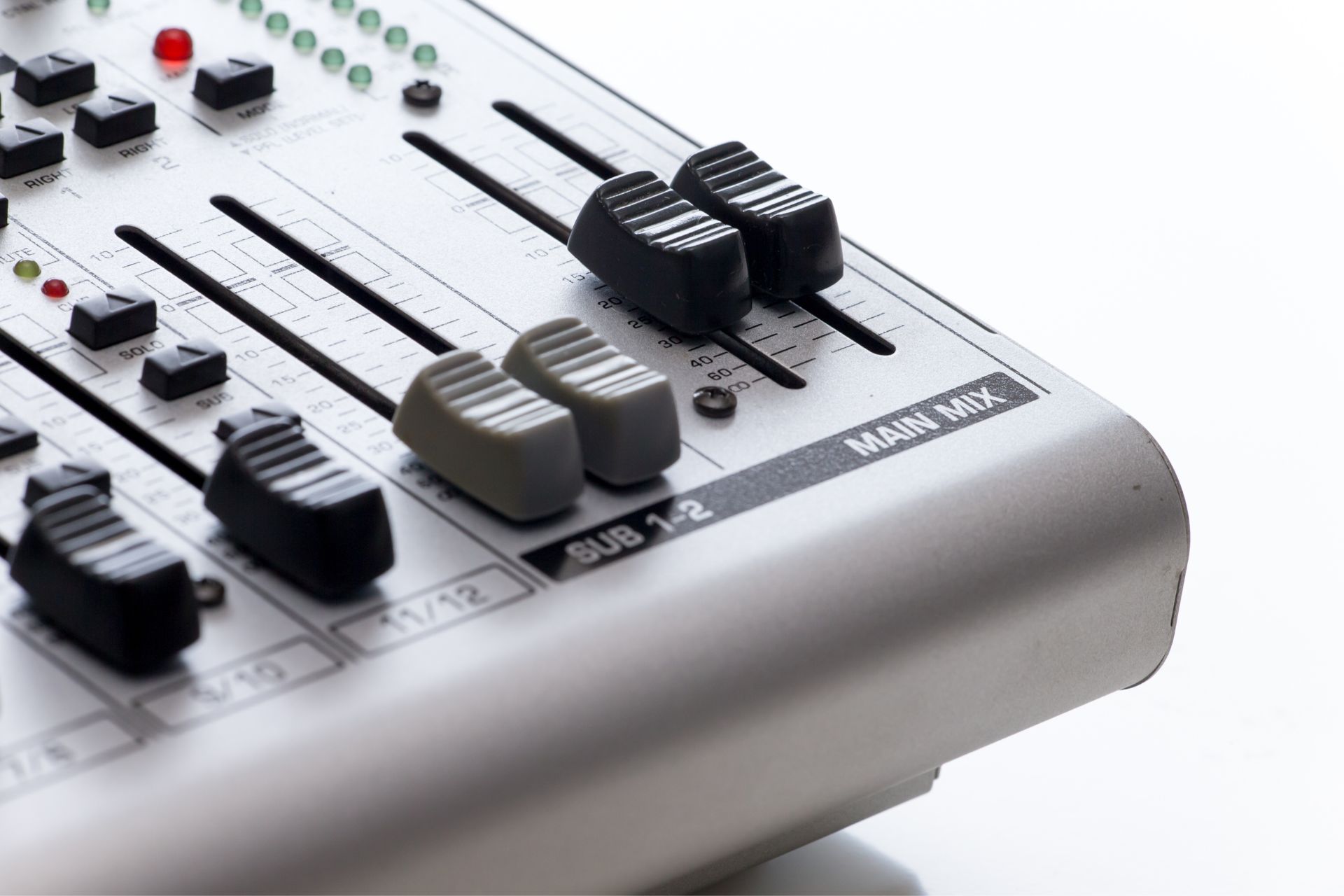
Understanding Psychoacoustic Factors in Retail Environments

Understanding Psychoacoustic Factors in Retail Environments

Contact Us

Commercial AV Services

  • Address: 2432 W Peoria Ave Suite 1204 Phoenix, AZ 85029
  • Phone: (602) 626-5800
  • Email: commercialavservices@mail.com

© Copyright - All Rights Reserved